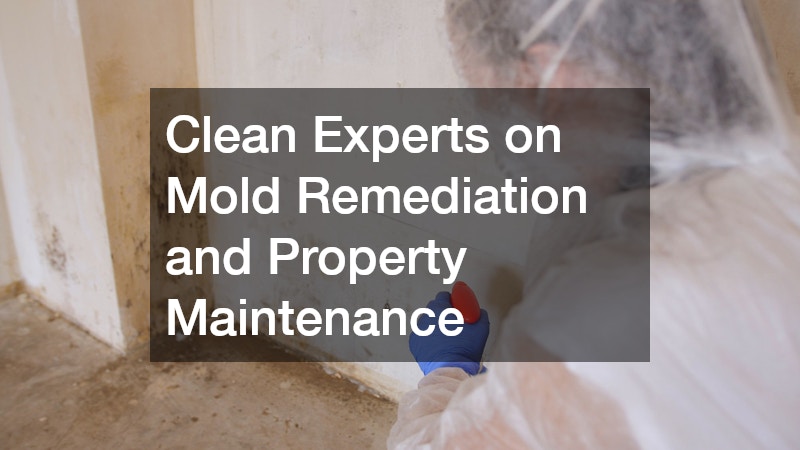
Mold is one of the most common yet underestimated problems that can affect a property, causing structural damage, unpleasant odors, and health issues if left unchecked. Clean experts emphasize that proactive mold remediation and consistent property maintenance are essential for preserving a safe and comfortable living environment. This article explores the key aspects of mold management, including detection, prevention, and removal techniques that homeowners can implement. Whether dealing with minor mold spots or planning comprehensive remediation, understanding the process helps avoid costly repairs and ensures long-term property health. Additionally, clean experts provide insight into the relationship between mold issues and other essential property services, including carpet cleaners, air duct cleaner services, residential plumbing, and drain cleaning. By addressing mold concerns early and efficiently, property owners can maintain clean and healthy interiors while avoiding complications that could arise from neglected maintenance. Throughout this guide, we will discuss how mold remediation intersects with property maintenance services and highlight practical strategies recommended by clean experts for effective home management.
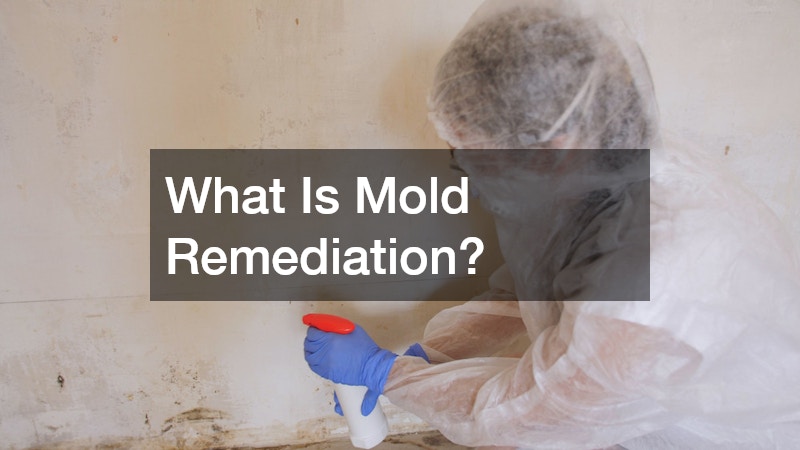
What Is Mold Remediation?
Definition and Importance
Mold remediation refers to the process of identifying, removing, and preventing mold growth in residential or commercial properties. Clean experts note that timely remediation is crucial not only for maintaining a building’s structural integrity but also for protecting occupants’ health. Mold can grow on various surfaces, including walls, ceilings, carpets, and even inside air ducts. The presence of mold may worsen allergies, trigger respiratory issues, and even impact long-term wellbeing if left untreated. Beyond health concerns, mold damages property by weakening wood, deteriorating drywall, and causing stains that are difficult to remove. Clean experts recommend integrating mold remediation into broader property maintenance services, such as drain cleaning, pipe cleaning services, and regular inspections, to ensure a comprehensive approach to building health and safety.
Key Steps Involved
Clean experts outline several key steps in a proper mold remediation process. First, the affected areas are carefully inspected, often using moisture meters, air quality tests, or specialized cameras to detect hidden mold behind walls or beneath flooring. Next, contaminated materials may be removed or treated with approved cleaning agents. During this process, professional property maintenance services often coordinate with mold remediation companies to manage airflow, prevent cross-contamination, and safely dispose of hazardous materials. After removal, surfaces are cleaned, sanitized, and sometimes treated with anti-microbial solutions to prevent future growth. Finally, clean experts emphasize the importance of addressing underlying causes, such as leaks, high humidity, or poor ventilation, often in coordination with residential plumbing or air duct cleaner services. This systematic approach ensures that mold remediation is thorough and sustainable.
How to Identify Mold Issues?
Signs of Mold Growth
Detecting mold early is a critical step that clean experts stress for effective property maintenance. Common signs include visible discoloration on walls, ceilings, or carpets, and musty odors that persist despite regular cleaning. Mold may appear as black, green, or white patches, depending on the species, and can grow on both porous and non-porous surfaces. Property maintenance services often incorporate routine inspections to spot these early indicators, while carpet cleaners and air duct cleaner professionals can notice mold in areas that homeowners might overlook. Ignoring mold signs can result in more extensive infestations that require specialized remediation from mold remediation companies or emergency pipe cleaning services.
Tools and Techniques for Detection
Clean experts recommend several tools and techniques to accurately identify mold. Moisture meters help pinpoint damp areas prone to mold growth, while infrared cameras can reveal hidden water damage inside walls or under floors. Air sampling tests measure the concentration of mold spores in indoor environments, providing evidence even when visual signs are minimal. Additionally, professional cleaning services, including drain cleaning and air duct cleaner specialists, often detect mold during routine maintenance tasks. Early identification allows property owners to take swift action, preventing larger issues and reducing the need for costly interventions later.
What Causes Mold to Grow in Homes?
Environmental Factors
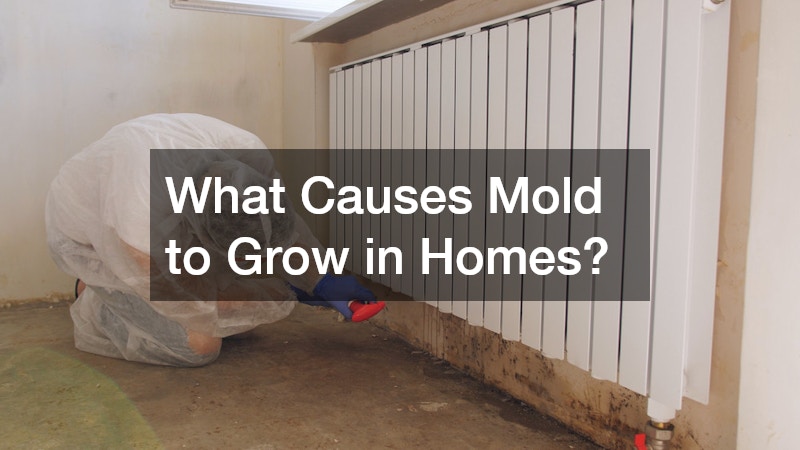
Mold thrives in environments with excessive moisture and poor ventilation. Clean experts explain that high humidity levels, water leaks, condensation, and standing water all create ideal conditions for mold growth. Homes with inadequate airflow, especially in basements, bathrooms, or attics, are particularly susceptible. Environmental factors are closely monitored by property maintenance services to prevent recurring issues. Air duct cleaner specialists often find that mold spores can travel through HVAC systems, highlighting the importance of combining mold remediation with routine air system maintenance. Similarly, carpet cleaners may encounter mold hidden in damp flooring, underscoring the connection between environmental conditions and professional cleaning services.
Structural Issues
Structural problems can exacerbate mold issues in homes. Leaking pipes, damaged roofs, and improper insulation allow water to infiltrate walls and ceilings, creating ideal conditions for mold proliferation. Clean experts recommend addressing these structural issues promptly, often in conjunction with residential plumbing repairs or pipe cleaning services. Neglected leaks or poorly maintained plumbing systems increase the risk of severe mold infestations, sometimes requiring full-scale intervention by mold remediation companies. Property maintenance services often coordinate with plumbing contractors and other home service experts to mitigate risks, ensuring that mold prevention is integrated into overall property upkeep.
How to Prevent Mold Growth?
Maintenance Tips
Preventing mold requires a proactive approach. Clean experts advise regular property inspections, immediate leak repairs, and routine cleaning to reduce moisture accumulation. Carpet cleaners can play a key role in preventing mold by removing damp areas and ensuring proper drying, while dry cleaning services may handle textiles that are prone to mildew. Additionally, property maintenance services often schedule seasonal checks for plumbing and HVAC systems, including drain cleaning and air duct cleaner services, to minimize hidden moisture risks. By combining these strategies, homeowners can maintain a clean and healthy living environment while reducing the need for emergency mold remediation interventions.
Monitoring Humidity Levels
Maintaining optimal humidity is essential for mold prevention. Clean experts suggest keeping indoor humidity between 30 and 50 percent, using dehumidifiers when necessary. Air circulation through ventilation systems and regular monitoring of moisture-prone areas further helps control mold growth. Residential plumbing inspections, along with pipe cleaning services, can detect potential leaks before they contribute to excessive humidity. Additionally, property maintenance services often implement routine checks of attics, basements, and crawl spaces to identify hidden damp areas. By monitoring and controlling humidity levels, homeowners can significantly reduce the likelihood of mold problems, complementing ongoing cleaning services and broader maintenance strategies.
What Health Risks Are Associated With Mold?

Allergies and Respiratory Issues
Clean experts emphasize that mold exposure can trigger a wide range of health problems, particularly allergies and respiratory conditions. Common symptoms include sneezing, coughing, watery eyes, nasal congestion, and skin irritation. Individuals with asthma or other pre-existing respiratory conditions are particularly vulnerable to mold spores circulating in the air. Air duct cleaner services often detect these spores in HVAC systems, which can spread allergens throughout the home. Carpet cleaners and cleaning service professionals also frequently encounter mold in damp carpets or upholstery, further highlighting the need for comprehensive property maintenance services to reduce health risks.
Long-Term Health Effects
Beyond immediate allergic reactions, prolonged exposure to mold can result in long-term health consequences. Clean experts warn that chronic exposure may lead to persistent respiratory infections, worsening asthma, or even more serious conditions in susceptible individuals. Mold remediation companies stress the importance of thorough inspections and remediation to prevent these outcomes. Proper drain cleaning, pipe cleaning services, and regular maintenance by residential plumbing professionals help reduce moisture buildup that contributes to mold growth. By addressing mold issues early, homeowners can avoid long-term complications while ensuring their living spaces remain safe and healthy.
DIY Mold Removal: Is It Safe?
Risks of DIY Removal
While it may seem tempting to remove mold independently, clean experts caution against DIY approaches for significant infestations. Improper handling can spread mold spores to other areas, worsening the problem. Additionally, exposure to mold during removal can pose serious health risks. Mold remediation companies have specialized equipment and protective gear to safely remove mold, while untrained individuals risk inhaling spores or coming into contact with contaminated surfaces. Pipe cleaning services and residential plumbing teams may also identify hidden moisture that contributes to mold growth, which a DIY effort could easily miss.
Best Practices for Safe Removal
For minor mold issues, clean experts recommend safety precautions such as wearing gloves, masks, and goggles, and ensuring proper ventilation during cleaning. Surfaces should be scrubbed with appropriate cleaning agents, and contaminated materials should be properly disposed of. Coordinating with professional cleaning service providers, such as carpet cleaners or air duct cleaner specialists, can enhance safety and effectiveness. Regular property maintenance services can further prevent recurring mold issues by addressing leaks, drainage problems, and moisture accumulation. Clean experts stress that combining careful DIY measures with professional guidance is the safest strategy for mold control.
When Should You Call a Professional for Mold Remediation?
Signs Indicating Professional Help Is Needed
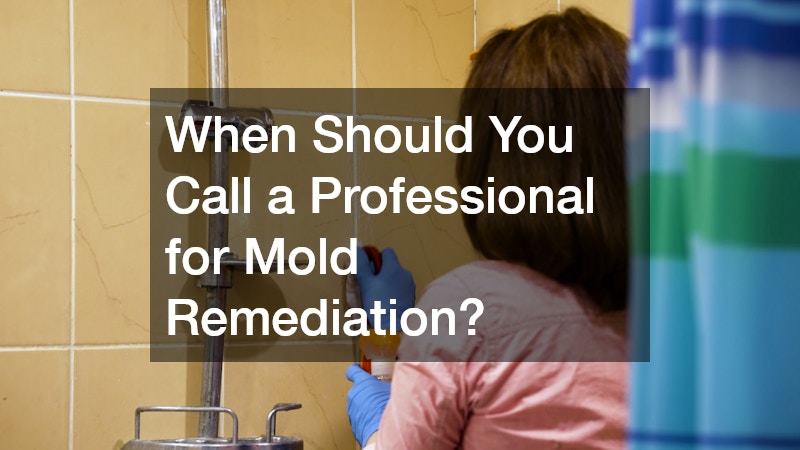
Clean experts recommend seeking professional assistance if mold covers a large area, persists despite cleaning, or is associated with water damage. Visible growth on walls, ceilings, or floors, musty odors, and recurring health symptoms are strong indicators that professional mold remediation is necessary. Septic tank pumper and drain cleaning services may uncover hidden moisture sources that exacerbate mold issues, reinforcing the importance of calling experts early. Engaging mold remediation companies ensures that the problem is addressed thoroughly, preventing future infestations and mitigating health risks.
Choosing the Right Mold Remediation Expert
Selecting a qualified mold remediation expert is essential for effective property management. Clean experts advise evaluating credentials, certifications, and experience with mold removal. Collaboration between mold remediation companies, residential plumbing specialists, and property maintenance services ensures comprehensive solutions that tackle both visible mold and underlying moisture issues. Air duct cleaner and carpet cleaners may also be consulted to treat areas prone to contamination. By carefully choosing the right professionals, homeowners can achieve a clean, safe, and well-maintained environment, reducing the likelihood of repeated mold problems.
What Is the Cost of Mold Remediation?
Factors Influencing Cost
The cost of mold remediation can vary widely depending on a number of important factors. Clean experts explain that the size of the affected area is one of the most obvious considerations, as larger infestations naturally require more time, labor, and materials to address. Equally important is the extent of damage—mold that has penetrated deeply into walls, flooring, or HVAC systems often demands more intensive remediation efforts. The type of mold present also plays a role, as some species require specialized handling and treatment to ensure complete removal.
Beyond the mold itself, additional expenses can arise from related repairs and preventative measures. Structural repairs, moisture mitigation, and targeted cleaning services can all contribute to the final cost. Property maintenance services, including routine inspections, as well as drain cleaning and pipe cleaning services, frequently help uncover hidden issues that might otherwise go unnoticed, potentially affecting pricing. Similarly, residential plumbing inspections may reveal leaks or water damage that need to be addressed before remediation can be completed safely and effectively. By understanding these variables, homeowners are better equipped to plan their budgets thoughtfully, anticipate potential surprises, and make informed decisions when hiring professional mold remediation companies.
Average Cost Estimates
On average, mold remediation can range from a few hundred dollars for minor surface mold to several thousand dollars for extensive infestations. Clean experts emphasize that investing in professional services is worthwhile to prevent recurring mold growth and potential property damage. Mold remediation companies provide detailed estimates based on inspection findings, including any required air duct cleaning, carpet cleaning, or plumbing interventions. Property maintenance services integrated into the remediation process ensure that the building remains safe and functional. By considering average costs and preventive measures, homeowners can balance budget concerns with effective mold management.
Mold remediation is a crucial component of comprehensive property maintenance, affecting both the structural integrity of buildings and the health of occupants. Clean experts consistently highlight the importance of early detection, professional intervention, and ongoing preventive strategies to manage mold growth effectively. Regular inspections, collaboration with mold remediation companies, residential plumbing specialists, and property maintenance services help ensure that mold issues are addressed before they escalate. Monitoring humidity, maintaining air ducts, cleaning carpets, and addressing plumbing concerns all contribute to a healthier home environment. By integrating mold remediation into routine property care, homeowners can safeguard their investment, minimize health risks, and maintain a safe, comfortable living space. Clean experts recommend combining professional services with informed maintenance habits to prevent mold from becoming a recurring problem. With the right approach, mold management can be a manageable, proactive aspect of long-term property upkeep.