Houses are dynamic systems under constant strain. Every degree change in temperature, every gallon of water moving through the pipes, and every footprint across the entryway contributes to subtle, continuous wear. Most homeowners do not experience catastrophic property failure overnight. Instead, major household disasters are usually the result of small, unnoticed issues that compound over time. A hairline crack in a rubber supply hose, a slight buildup of combustible residue in an exhaust flue, or a minor breach in a roof line can exist for months without causing obvious disruption.
When these minor vulnerabilities are ignored, they eventually intersect with severe weather or heavy seasonal usage. The result is often an emergency that threatens both family safety and financial stability. Water damage, structural fires, toxic mold outbreaks, and utility failures rarely occur without warning; they simply occur without observation.
Adopting a seasonal approach to property maintenance shifts your relationship with your living space from reactive to proactive. By aligning specific inspection and care routines with the natural changes in weather, you create a systematic defense against hidden hazards. A structured checklist transforms an overwhelming list of potential problems into manageable quarterly tasks. This comprehensive roadmap covers the critical seasonal adjustments necessary to preserve your property, protect your investments, and ensure your home remains a safe sanctuary year-round.
Spring Maintenance: Mitigating Water Risks and Restoring Core Utilities
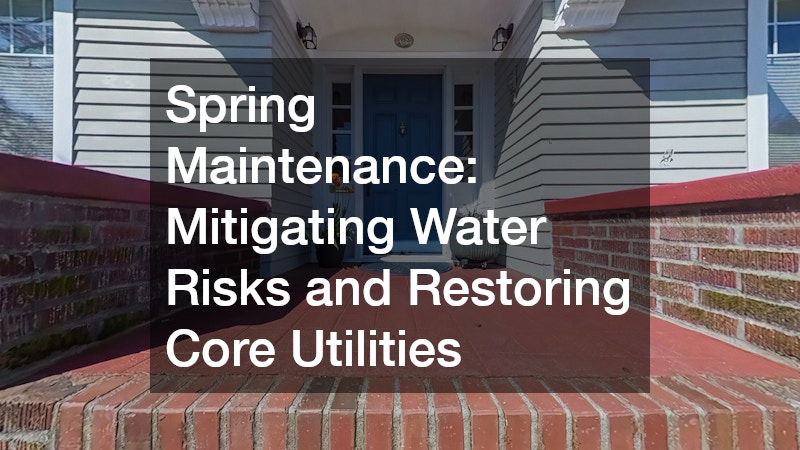
The transition from winter to spring brings rising temperatures and increased precipitation. As snow melts and heavy rains saturate the surrounding soil, the primary threat to any residential structure shifts dramatically toward water intrusion and utility stress. Spring is the critical window to inspect the mechanical systems that managed your home’s baseline needs through the winter, while ensuring that foundation-level defense mechanisms are fully operational.
Inspecting Hot Water Systems and Pressure Mechanics
After months of heating cold incoming municipal water or well supplies, water heating units operate under elevated pressure throughout the winter. Spring is the ideal time to perform a thorough audit of these systems to prevent catastrophic tank ruptures or localized flooding.
Begin your inspection at the temperature and pressure relief valve, typically located near the top or side of the unit. This valve is a critical safety feature designed to discharge water if internal pressure or temperature exceeds safe operating thresholds. Lift the test lever briefly to allow a small discharge of water into the drain pipe, then release it. The valve should snap shut cleanly and stop dripping completely. If water continues to trickle, the seat may be corrupted by sediment, or the valve itself may be failing, requiring immediate professional evaluation.
Next, examine the base of the storage tank for any signs of weeping, rust streaks, or flaking metal. Sediment buildup at the bottom of a gas or electric tank acts as an insulator, forcing the heating element or burner to work harder, which eventually weakens the bottom seam of the unit. Flushing several gallons of water from the drain valve at the bottom of the tank into a bucket will remove this abrasive slurry. If you observe dark, rust-colored water or heavy metallic flakes during this process, it indicates internal corrosion. Addressing these early indicators through timely water heater repair prevents sudden tank failure, which can dump fifty gallons or more of water directly into your utility space.
Evaluating Subfloors and High-Traffic Flooring Integrity
Spring weather inevitably tracks significant amounts of mud, road salt, and persistent moisture into interior living spaces. While surface dirt is an aesthetic concern, the real danger lies in how moisture migrates through flooring materials to the structural subfloor beneath. Hardwood, laminate, and tile assemblies can trap moisture along seams and grout lines, creating an invisible breeding ground for subfloor rot and mold growth.
To assess whether winter moisture has compromised your flooring integrity, start by conducting a visual and tactile walk-through of high-traffic entryways, kitchens, and mudrooms. Look for subtle signs of cupping in hardwood planks—where the edges of the boards sit higher than the center—or bubbling along the seams of composite materials. In tiled areas, check for hairline cracks in the grout or tiles that feel slightly springy underfoot, which suggests that the underlying cement board or plywood subfloor has softened due to water exposure.
When routine cleaning methods fail to lift embedded grime or when moisture has penetrated beneath the surface, bringing in a specialized floor cleaning company provides both a deep hygienic restoration and an expert assessment of your floor’s structural health. Professional extraction equipment removes deeply embedded moisture and contaminants that residential vacuums leave behind. Furthermore, technicians can utilize non-invasive moisture meters to determine if dampness has reached dangerous levels within the subfloor, allowing you to take corrective action long before structural framing begins to rot or buckle.
Summer Strategies: Managing Fire Hazards, Heat Stress, and Outdoor Zones
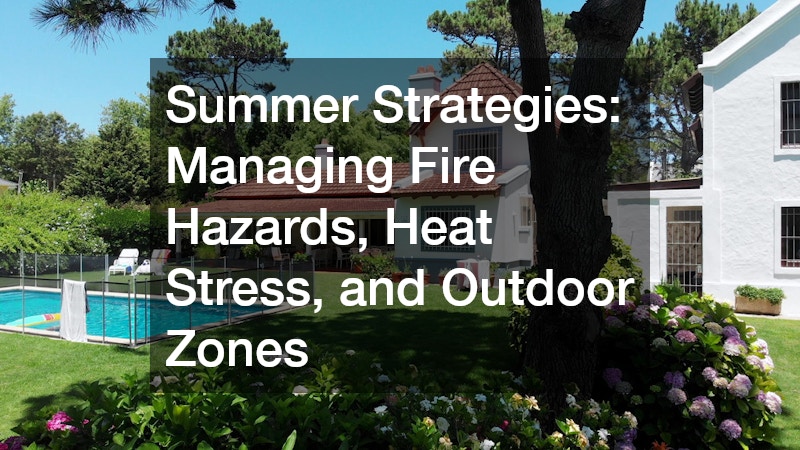
As summer temperatures peak, household risks shift from water intrusion to heat-induced hazards, elevated electrical loads, and intensive outdoor activity. The combination of prolonged dry spells, high ambient temperatures, and continuous operation of cooling equipment creates unique vulnerabilities both inside and outside the home.
Securing Backyard Aquatic Features and Electrical Systems
Outdoor living spaces receive heavy use during the summer months, making them a primary focus for seasonal safety audits. Swimming pools, spas, and exterior water features combine high-voltage electrical equipment with large volumes of water, creating severe shock and submersion risks if not meticulously maintained.
- Inspect Ground Fault Circuit Interrupters (GFCIs): Test all outdoor electrical outlets and dedicated pump breakers monthly by pressing the “Test” button to ensure the circuit breaks immediately.
- Examine Suction Outlet Covers: Verify that all drain covers meet current anti-entrapment standards and show no signs of cracks, missing screws, or structural degradation.
- Audit Chemical Storage Enclosures: Store chlorine, acid, and shock treatments in a cool, dry, well-ventilated location completely separated from electrical equipment or combustible materials to prevent chemical fires.
- Verify Perimeter Barriers: Check that self-closing and self-latching mechanisms on pool gates operate smoothly without sticking or hanging open.
Maintaining pristine water chemistry is equally vital for physical health. Imbalanced water can rapidly harbor harmful bacteria or corrode pump seals and electrical grounding wires. Engaging professional pool maintenance services guarantees that chemical levels remain balanced, mechanical filtration systems operate safely, and all electrical bonds around the water’s edge are fully intact throughout the heavy summer usage season.
Eliminating Thermal Ignition Risks in Auxiliary Spaces
Garages, attics, and storage sheds act as heat traps during intense summer heatwaves. When temperatures outside reach ninety degrees, unconditioned attic and garage spaces can easily exceed one hundred and thirty degrees. This extreme heat creates an elevated risk of spontaneous combustion or rapid fire spread if these areas are cluttered with volatile substances or dense organic materials.
Consider the layout of your storage areas during the height of summer. Basements, mechanical rooms, and attached garages often become dumping grounds for old paint cans, solvent rags, stacks of cardboard boxes, and unused lawn care chemicals. In an overheated, unventilated space, vapors from loosely sealed aerosol cans or fuel containers can expand, leaking flammable gases into enclosed environments. If these gases come into contact with a spark from an automatic garage door opener, a water heater pilot light, or a lawnmower engine, the result can be catastrophic.
Conducting a thorough seasonal purge of these spaces significantly mitigates your summer fire footprint. Utilizing professional cleanout services provides a safe, structured way to dispose of hazardous household materials, bulk clutter, and flammable debris that have accumulated over time. Removing dense piles of combustible materials ensures that air can circulate freely around electrical panels and utility appliances, drastically reducing the fuel load in the event of an unexpected heat-related ignition.
Autumn Preparations: Optimizing Heating Infrastructure and Roof Flues
Autumn serves as the critical transitional period before severe winter conditions arrive. The primary objective during these cooler months is to prepare your home’s heating infrastructure to handle heavy, continuous operation without failing or generating hazardous combustion byproducts like carbon monoxide.
Servicing Hydronic Heating and Central Boiler Operations
Boilers and hydronic heating systems often sit dormant throughout late spring and summer. Bringing these complex systems back online without a formal safety evaluation exposes your household to risks ranging from radiator leaks to dangerous system over-pressurization.
Before turning on your thermostat for the first cold night, conduct a slow, deliberate system check. Begin by inspecting all visible piping for signs of green copper corrosion, white mineral crusting, or active water drops around valves and fittings. Check the pressure and temperature gauge on the main unit; cold static pressure should typically rest around twelve pounds per square inch, depending on the height of the home.
When you initiate the first heating cycle of the season, stay near the unit for several minutes to monitor its ignition sequence and sound profile. Loud clanking, banging, or whistling sounds indicate trapped air, severe limescale buildup on the heat exchanger (known as kettling), or poor water circulation. Scheduling certified boiler maintenance ensures that burner assemblies are cleaned, heat exchangers are checked for micro-fractures, and safety shut-off controls function flawlessly before winter demands continuous heat.
Removing Creosote and Obstructions From Flue Systems
Fireplaces and wood-burning stoves provide efficient supplemental heat, but they also present significant structural fire hazards if neglected. Every time wood burns, it releases volatile gases that condense on the cool inner walls of the chimney flue, forming a tar-like, highly flammable substance known as creosote.
Creosote accumulates in three distinct stages:
- Stage One: A flaky, powdery soot deposit that is easily swept away with standard chimney brushes.
- Stage Two: A dense, shiny, hard crust that forms when creosote layering thickens and bakes under heat.
- Stage Three: A thick, glossy, glazed run of tar that hardens inside the flue lining and is extremely difficult to ignite, but burns with extreme intensity once lit.
When creosote reaches advanced stages, a high-temperature fire in the hearth can ignite the flue lining, reaching temperatures over two thousand degrees Fahrenheit. This intense heat can crack clay tiles, melt metal flue liners, and ignite adjacent wooden framing within the walls of the house.
Furthermore, birds, squirrels, and falling autumn leaves frequently build nests at the top of unshielded flues during the spring and summer. These blockages prevent dangerous combustion gases, including carbon monoxide, from venting safely out of the home. Scheduling qualified chimney cleaners each autumn guarantees that all creosote deposits are scrubbed away, flue liners are inspected for structural cracks, and animal nests or debris are cleared before your first cozy fire of the season.
Winter Readiness: Thermal Envelope Defenses and Post-Accident Care
Winter places heavy demands on a building’s shell. Freezing temperatures, heavy snow loads, and constant thermal expansion test the integrity of your insulation, roof lines, and interior heating habits. Managing these winter stresses requires a combination of structural reinforcement and rapid-response protocols for indoor accidents.
Upgrading Thermal Air Seals and Upper-Level Insulation
The space directly beneath your roof deck plays a critical role in controlling indoor temperatures and protecting the structural integrity of your home during winter. Poor thermal retention allows heat to escape from living spaces into the upper framing, creating ideal conditions for ice dams.
Ice dams form when heat escaping through an uninsulated or under-insulated upper floor warms the underside of the roof deck. Snow on the roof melts and flows down toward the eaves, where temperatures remain below freezing because the eaves extend beyond the warm exterior walls. As the meltwater reaches the cold overhang, it freezes, creating a ridge of ice. Subsequent meltwater backs up behind this ice ridge, pooling on top of the shingles. Eventually, this standing water works its way under the shingle edges, dripping directly into the ceiling framing, drywall, and wall cavities below.
To break this destructive cycle, examine your upper ceiling cavities during late autumn or early winter. Look for uneven snow melting patterns on your roof line after the first snowfall; patches of exposed shingles surrounded by snow indicate significant heat loss from the space below. Ensure that your floor assemblies above living spaces are covered with an adequate, uniform layer of high-performance attic insulation. Proper insulation thickness, combined with unobstructed soffit and ridge vents, maintains a cold roof deck temperature, effectively preventing ice dams and protecting your home’s structural framing from severe water damage.
Addressing Soot Accumulation and Textile Disasters
Winter is the peak season for residential fires, soot contamination, and localized heat damage. Increased use of space heaters, candles, holiday lighting, and wood stoves significantly elevates the risk of minor or major combustion incidents inside the home. Even a small kitchen flare-up, a puff-back from a furnace, or a smoking fireplace insert can coat interior surfaces with toxic soot and fine particulate matter.
Soot residue is acidic and highly corrosive. When soot settles on soft textiles, walls, and hard surfaces, it instantly begins etching into paint finishes, synthetic fibers, and metal fixtures. Attempting to wipe down soot-covered walls or soft furnishings with standard household cleaners or water usually compounds the problem, smearing the microscopic carbon particles deeper into paint pores and carpet fibers.
When an indoor heating mishap occurs, time is of the essence:
- Isolate Affected Areas: Close interior doors and shut down central HVAC systems to prevent soot particles from circulating through ductwork to clean rooms.
- Avoid Scrubbing: Resist the urge to rub affected upholstery or drywall, which grinds carbon down into underlying materials.
- Utilize Specialized Extraction: Contact trained professionals specializing in smoke damage restoration to deploy thermal fogging, ozone treatment, and specialized HEPA air scrubbing equipment.
- Deep Clean Floor Covering: Arrange for professional carpet cleaning to lift deeply settled micro-particles from pile backing, restoring indoor air quality and eliminating lingering smoky odors.
Protecting Structural Surfaces Year-Round
While seasonal shifts demand specific interventions, certain maintenance tasks provide continuous protection against moisture, decay, and environmental degradation throughout the entire year. The protective coatings applied to your walls, trim, and subfloors serve as the primary barrier against environmental elements.
Drywall, plaster, and wooden structural elements are inherently porous materials. In environments with fluctuating humidity, such as bathrooms, kitchens, basements, and laundry spaces, bare or under-protected surfaces readily absorb ambient moisture. Over time, this constant absorption leads to softening drywall, blistering finishes, and concealed mold growth behind baseboards and paint films.
Maintaining a continuous, non-porous seal on all interior surfaces is an effective defense against ambient moisture damage. Regularly inspect walls and baseboards in high-humidity areas for signs of peeling, micro-cracking, or chalking paint. When topcoats show signs of wear, hire a skilled local painter to scrape, prime, and coat these surfaces with high-grade, moisture-resistant acrylic or enamel finishes. A professionally applied, intact paint seal prevents moisture from penetrating the building material, ensuring that accidental water splashes or high humidity bead up and evaporate safely on the surface rather than soaking into the wall structure.
Sustaining Property Safety Through Consistent Oversight
Protecting a home from hidden hazards is an ongoing process rather than a one-time project. Properties are under constant pressure from environmental changes, temperature swings, and daily wear and tear. By breaking down household maintenance into a structured seasonal workflow, you can identify minor issues and resolve them before they escalate into expensive, dangerous emergencies.
A truly resilient home is built on small, consistent actions: checking safety valves in the spring, clearing storage areas in the summer, servicing heating units in the autumn, and inspecting thermal insulation in the winter. Developing these proactive inspection habits safeguards your investment, preserves your property’s value, and creates a secure, comfortable living environment for your family throughout every season of the year.